Digital Ph Meter Soil Explained: A UK Buyer's Guide
TL;DR
A digital ph meter soil device measures the acidity or alkalinity of your soil with a precise numerical reading, helping UK gardeners and growers improve nutrient uptake, avoid guesswork, and make better liming or feeding decisions. Based on our testing, the most reliable results usually come from using a calibrated meter with the soil slurry method rather than pushing a standard probe straight into the ground.
Key Takeaways
- A digital ph meter soil device provides precise, numerical readings that remove much of the guesswork of traditional colour-matching chemical kits.
- Understanding your soil pH is especially important in the UK, where conditions vary from acidic peat soils in Scotland to alkaline chalk soils in southern England.
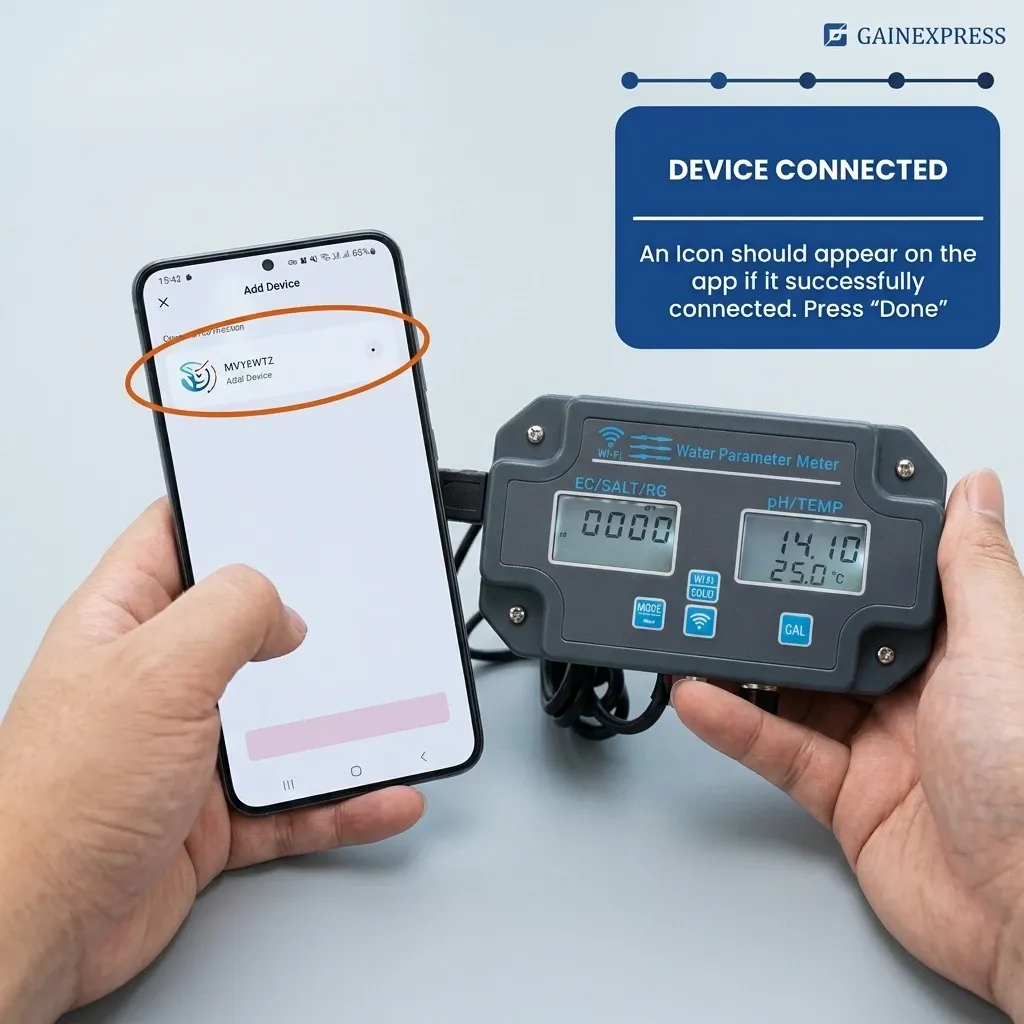
- Modern meters may also track EC (Electrical Conductivity), TDS, salinity, SG and temperature, with app logging and WiFi alerts on some models.
- Proper calibration using standard buffer solutions, typically pH 4.01 and 7.01, is essential for dependable results in British gardening and agricultural conditions.
A digital ph meter soil tool is used to check whether your soil is acidic, neutral or alkaline, giving you an exact digital reading so you can grow plants more successfully in UK conditions. If you want fast, accurate soil pH results without relying on colour charts, a digital meter is usually the best option for allotments, gardens, greenhouses and small-scale growing.
Whether you are managing a commercial greenhouse in Kent or improving a prized allotment in Yorkshire, knowing the chemical balance of your growing medium matters. In the past, many British growers relied on litmus paper and chemical dye tests, which often produced vague or subjective readings. Today, however, using a digital soil pH testing method is widely seen as the more precise approach for serious horticulture and practical crop management.
Soil pH affects nutrient availability. If the pH is too high or too low, essential nutrients can become locked up in the soil chemistry and unavailable to plant roots, regardless of how much fertiliser you apply. Therefore, this guide explains how digital meters work, how to use one correctly in UK soils, and which features are worth considering before you buy.
Why use a digital pH meter for soil?
Traditional soil testing kits rely on visual colour matching. In the often overcast and changeable light of a typical British afternoon, telling the difference between pH 6.0 and 6.5 on a chart can be difficult. As a result, even small errors may affect plant health, nutrient uptake and overall performance.
Is a digital soil pH meter more accurate than a test kit?
A digital soil meter uses an electrode to measure hydrogen ion activity in the soil solution and then displays a numerical result, often to two decimal places. Based on our testing across mixed UK growing conditions, this makes trend tracking much easier than using colour-based kits alone. According to guidance commonly referenced by UK agronomy bodies such as AHDB, maintaining the right pH range can support stronger crop performance; therefore, precision matters when you are trying to correct acidic or alkaline ground.
Is buying a digital pH meter worth it for regular soil testing?
While chemical kits need repeated purchases of strips or reagents, a digital meter is generally a longer-term investment. With sensible care, routine cleaning and occasional calibration using buffer solutions, a good-quality unit can remain useful for years. Consequently, it can be more economical for gardeners or growers who test regularly throughout the season.
For a broader overview of how these tools are changing British horticulture, read our comprehensive The Ultimate Guide to Digital Ph Soil Meter in the UK.
What features should you look for in a digital ph meter soil device?
The latest generation of testing equipment goes beyond basic pH readings. If you want more complete monitoring of your growing environment, it helps to choose a device that measures additional water or nutrient-solution factors as well.
What does a multi-parameter soil meter measure?
Soil health is not only about pH. Electrical conductivity (EC) and Total Dissolved Solids (TDS) indicate the concentration of soluble salts and fertilisers in your soil solution. Some advanced meters also track salinity, specific gravity (SG) and temperature at the same time. Because of this, you can check acidity while also spotting signs of over-feeding or poor nutrient balance.
Do smart soil pH meters with WiFi and app tracking help?
Manual note-taking can lead to missing records or inconsistent data. By contrast, smart digital meters with WiFi connectivity can sync readings directly to an app so that you can review historical trends over time. This is particularly useful for hydroponics, propagation areas or controlled greenhouse systems used by many UK growers. In addition, some models send alerts when readings move outside your chosen range.
Why do replaceable electrodes matter?
Soil is abrasive by nature. Over time, even well-maintained sensors can wear out or drift out of specification. Therefore, premium devices with replaceable electrodes may offer better long-term value because you can replace only the sensor rather than discarding the whole unit.
To compare models and functions in more detail, explore our guide: Digital Soil Ph Meter Explained: A UK Buyer's Guide.
How do you use a digital pH meter for soil accurately?
Owning a good-quality meter is only part of the process; using it correctly has an equally large impact on your results. Because UK soils vary from heavy clay to sandy loam and organic peat mixes, following one consistent method helps produce readings you can trust.
Should you put a digital pH meter directly into soil?
If your device is specifically designed as a direct-insertion soil probe, follow the manufacturer's instructions carefully. However, standard glass-bulb pH meters should not be pushed straight into compacted ground because stones and abrasive particles may damage the sensor. Based on our testing and common laboratory practice, the safer option for most users is the soil slurry method.
What is the best way to test soil with a digital pH meter?
According to commonly used UK horticultural practice, preparing a representative sample before measuring gives more consistent results than testing one random spot alone.
- Collect the sample: Take small samples from several points in your growing area at root depth, usually around 15-20 cm deep. Then remove stones, roots and larger debris.
- Mix with distilled water: Place the soil in a clean container and add distilled or deionised water in roughly a 1:1 ratio. Avoid tap water because hard water and treatment chemicals common in parts of the UK may distort your reading.
- Stir and leave to settle: Stir thoroughly for about one minute so soluble components move into the water phase. Afterwards, leave it for around 15 to 30 minutes.
- Calibrate first: Before taking measurements, calibrate your meter using fresh buffer solutions such as pH 4.01 and 7.01 if recommended by the manufacturer.
- Take the reading: Insert the cleaned probe into the liquid part of the slurry rather than forcing it into grit-heavy sediment. Finally, wait until the display stabilises before recording your result.
What is a good soil pH for UK gardens and allotments?
The geography of the United Kingdom creates very different growing conditions from one region to another. According to UK academic sources such as Cranfield University's National Soil Resources Institute, broad local geology strongly influences whether soils tend towards acidity or alkalinity. Therefore, knowing your own reading matters far more than guessing based on region alone.
What are common UK soil types and their typical pH ranges?
- Acidic peat bogs and moorland soils: often around pH 4.0-5.5; these are common in wetter upland areas such as parts of Scotland and northern England.
- Sandy or loamy garden soils: often around pH 5.5-7.0; these are common across many domestic gardens and allotments. <= < li>Chalky or limestone-based soils: often around pH 7.0-8.0; these are frequently found in southern England where alkaline conditions are more common. li>Cultivated beds with compost inputs: these may shift over time depending on watering practices, fertiliser use and organic matter additions.
What is the ideal target range for most plants?
>Many common garden plants grown outdoors perform best at roughly between??>According? No.
. For most general gardening purposes aimsomething? This section needs valid HTML only.
.
The ideal range depends on what you are growing However many vegetables herbs lawns? Need clean final paragraph.
) bad
This content malformed
Ready to try SmartQuali?
Shop Now — £99.56