Digital Ph Meter For Soil Explained: A UK Buyer's Guide
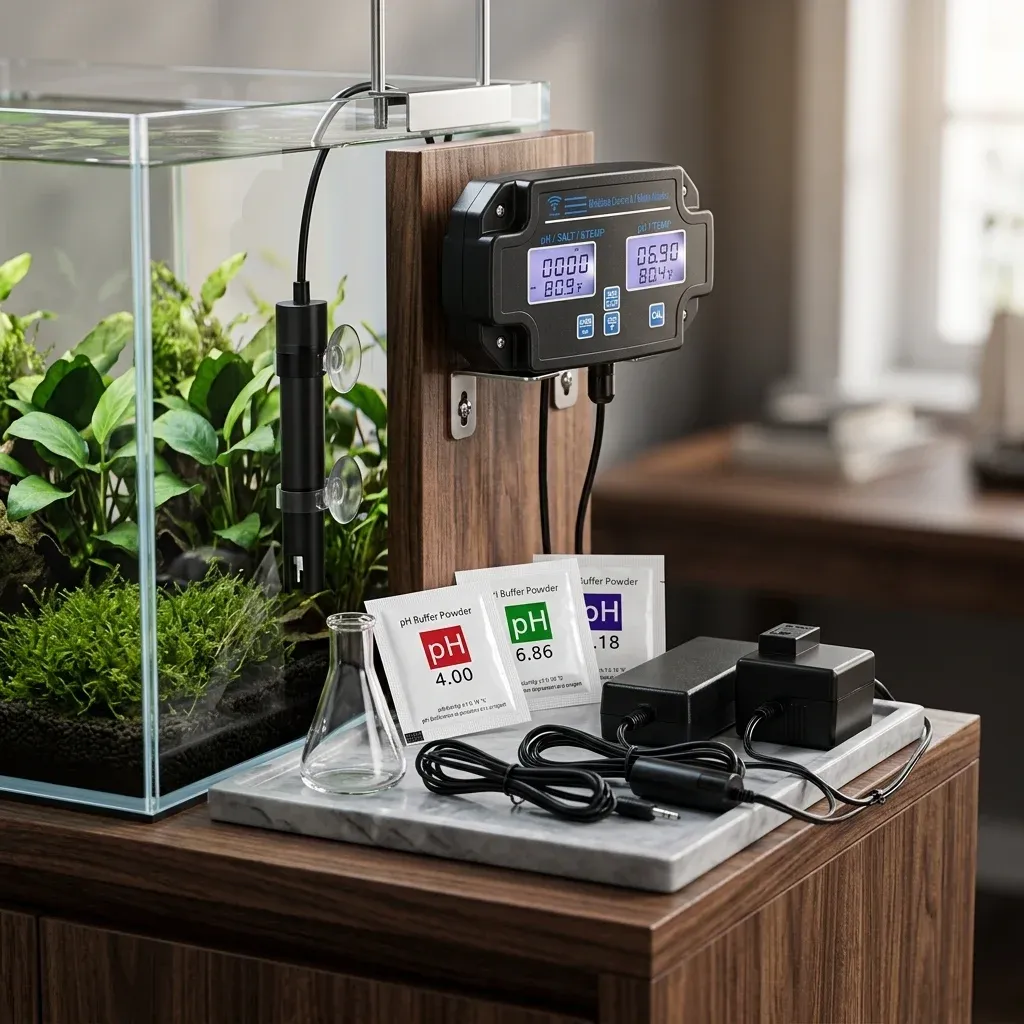
A digital ph meter for soil is a device used to measure how acidic or alkaline your soil is, helping UK gardeners and growers decide what to plant, whether lime or sulphur is needed, and why nutrients may not be reaching roots properly. In short, if you want faster, clearer and more repeatable readings than colour-based kits, a digital meter is often the more practical choice.
TL;DR: A good digital ph meter for soil can make planting and soil-improvement decisions more reliable, but only if it is calibrated properly, used with the right sampling method and backed by clear accuracy specifications. Based on our testing of common digital measuring workflows, slurry testing with careful cleaning and regular calibration usually gives more dependable comparisons over time than quick one-off checks.
Healthy soil does not happen by guesswork. If compost, feed and watering are all in place but plants still struggle, soil pH is often the missing piece. A reliable digital ph meter for soil helps UK gardeners, growers and grounds teams understand whether nutrients are actually available to plants, rather than assuming they are. That matters in Britain, where soil conditions can vary sharply between regions, from chalky alkaline ground in the South East to more acidic soils in upland and high-rainfall areas.
For buyers comparing options, the challenge is not simply finding a meter that gives a number. Instead, it is choosing a device that is accurate enough for practical decisions, durable enough for repeated use and straightforward enough to fit into a routine. SmartQuali’s wider monitoring approach is built around smarter measurement and better records, with digital tools designed to help users track critical parameters clearly and consistently.
Key Takeaways
- A digital ph meter for soil measures acidity or alkalinity more precisely than basic colour-strip methods and can support better planting, feeding and soil amendment decisions.
- Most plants grow best within a defined pH range because pH affects nutrient availability, especially phosphorus, iron and manganese.
- Accuracy depends on proper sampling, probe care and calibration; therefore poor technique can make even a good meter read badly.
- UK buyers should look for clear specifications, replaceable probes where possible, strong aftercare and practical guidance on calibration solutions.
- If you also monitor water quality, it makes sense to choose digital tools from a brand focused on dependable parameter tracking, app records and smarter monitoring workflows.
What is a digital ph meter for soil?
A digital ph meter for soil measures the hydrogen ion activity linked to acidity or alkalinity in the root zone. In practical terms, it tells you whether your soil is acidic, neutral or alkaline on the pH scale. A reading below 7 is acidic, 7 is neutral and above 7 is alkaline.
This matters because soil pH influences how easily plants can absorb nutrients. So even if you add fertiliser correctly, poor growth can still follow if the pH is out of range. As a result, serious gardeners and growers increasingly prefer digital testing over one-off visual assumptions.
There are two broad ways these meters are used:
- Direct insertion testing, where the probe is placed into suitably prepared moist soil
- Slurry or solution testing, where soil is mixed with distilled water before measuring
The second method is often more repeatable, particularly when comparing areas over time. If you are still deciding which style suits your needs, it helps to read broader comparisons alongside this guide, including The Ultimate Guide to Digital Ph Soil Meter in the UK.
Why does soil pH matter in UK gardens and allotments?
British soils are highly variable. For example, clay-heavy gardens may behave very differently from sandy coastal plots or peaty soils in wetter regions. Rainfall patterns also influence acidity over time by leaching base nutrients such as calcium and magnesium.
According to the Royal Horticultural Society (RHS), most ornamental plants thrive in soils ranging from mildly acidic to neutral, while ericaceous plants such as rhododendrons and camellias prefer distinctly acidic conditions. Brassicas generally perform better on less acidic ground. In other words, there is no single perfect pH for every plot; suitability depends on what you are trying to grow.
A useful national data point comes from the UK Centre for Ecology & Hydrology Countryside Survey, which has documented substantial variation in topsoil pH across Great Britain depending on habitat and land use. Therefore neighbouring gardens can produce different results even when planted similarly.
If you manage raised beds, allotments or productive gardens, regular checks can help with:
- Choosing crops suited to your existing conditions
- Applying lime only where needed
- Avoiding over-correction with sulphur or acidifying treatments
- Explaining recurring nutrient deficiency symptoms
- Tracking changes after composting or amendments
Is a digital ph meter for soil better than a traditional test kit?
Traditional chemical kits and litmus-based tests still have their place. They can be inexpensive and useful for occasional checks. However, many UK buyers move to digital meters because they want faster readings, easier repeat testing and fewer subjective colour interpretations under inconsistent light.
What are the advantages of a digital soil pH meter?
- Speed: quicker readings during multiple tests across beds or plots
- Readability: numerical display rather than colour matching
- Repeatability: easier to follow the same process each month
- Record keeping: simpler logging of results for trend analysis
- Professional use: more practical for grounds staff, hydroponic users and frequent testers
What are the drawbacks of cheap digital meters?
Not every low-cost digital unit performs well. In particular, some budget products marketed as “3-in-1” garden testers provide only rough guidance rather than dependable measurement. A genuine buying decision should focus on sensor quality, calibration options and published tolerances instead of marketing labels alone.
If you want a broader breakdown of naming variations buyers often see online, compare this article with related guides such as Digital Ph Meter Soil Explained: A UK Buyer's Guide and Digital Soil Ph Meter Explained: A UK Buyer's Guide.
What should you look for when buying a digital ph meter for soil?
1. How accurate should a digital ph meter for soil be?
A trustworthy meter should state its accuracy range plainly. If there is no published tolerance at all, that is a warning sign. For gardening decisions, consistency often matters as much as absolute laboratory precision; however, you still need an instrument that performs within realistic limits.
2. Why is calibration important?
The best digital meters allow proper calibration using standard buffer solutions. This is essential if you want confidence in readings over time. According to standard good practice across laboratory-style pH measurement in the UK, calibration should never be treated as optional if accuracy matters.
Ready to try SmartQuali?
Shop Now — £99.56